

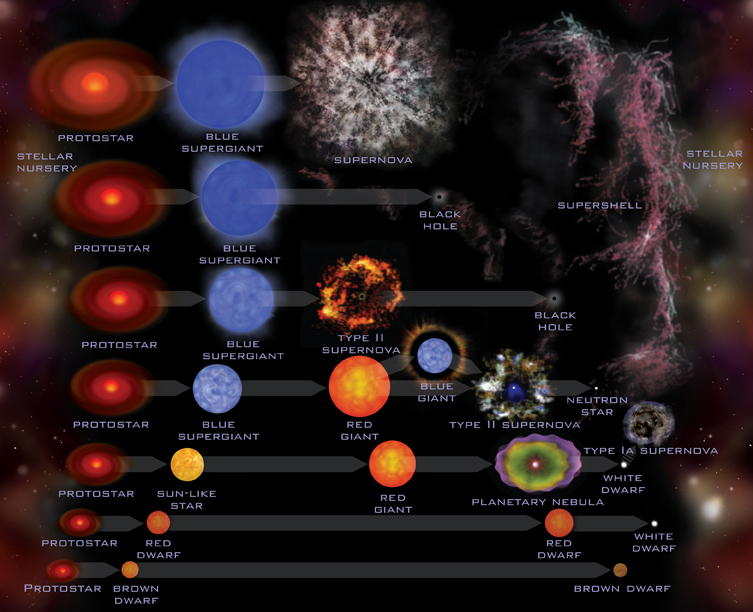
 Labeled
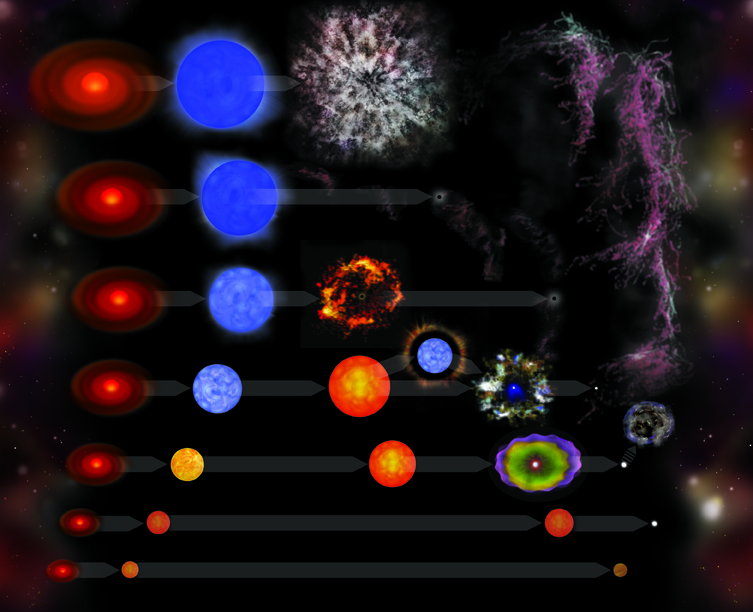 Unlabeled
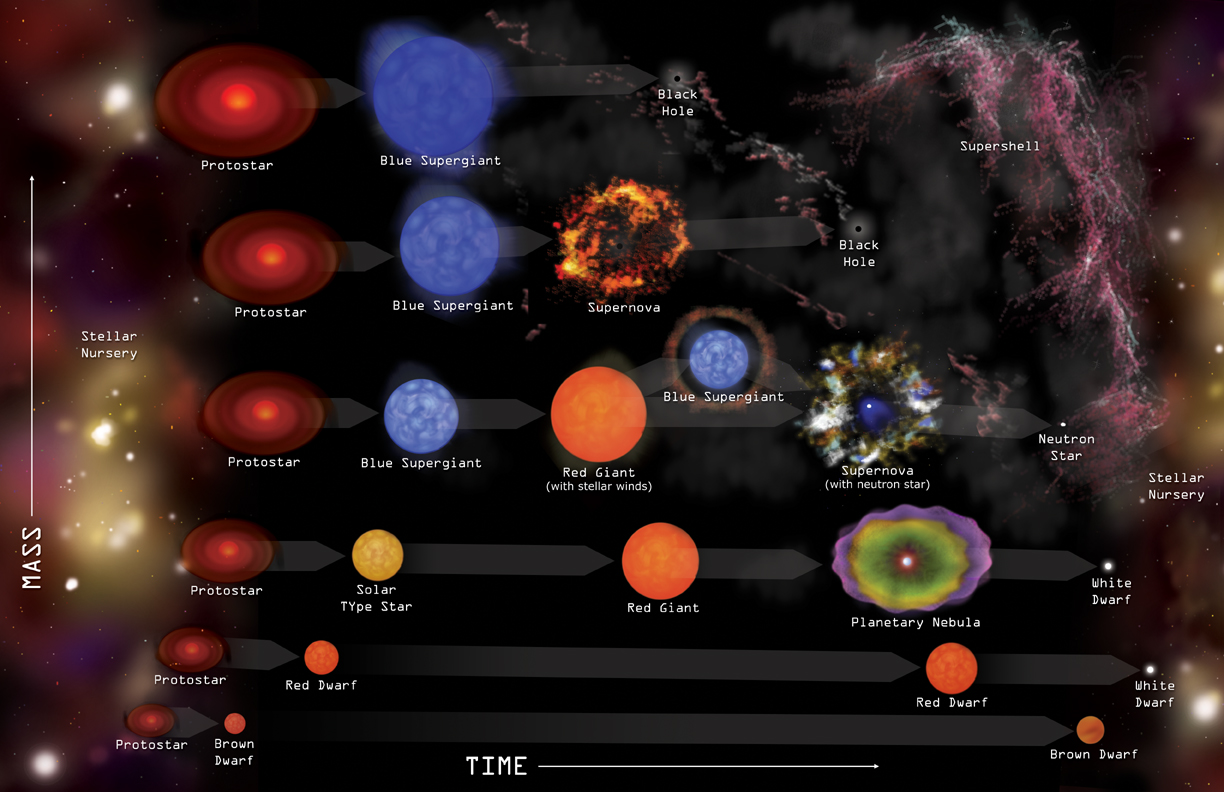 Labeled
 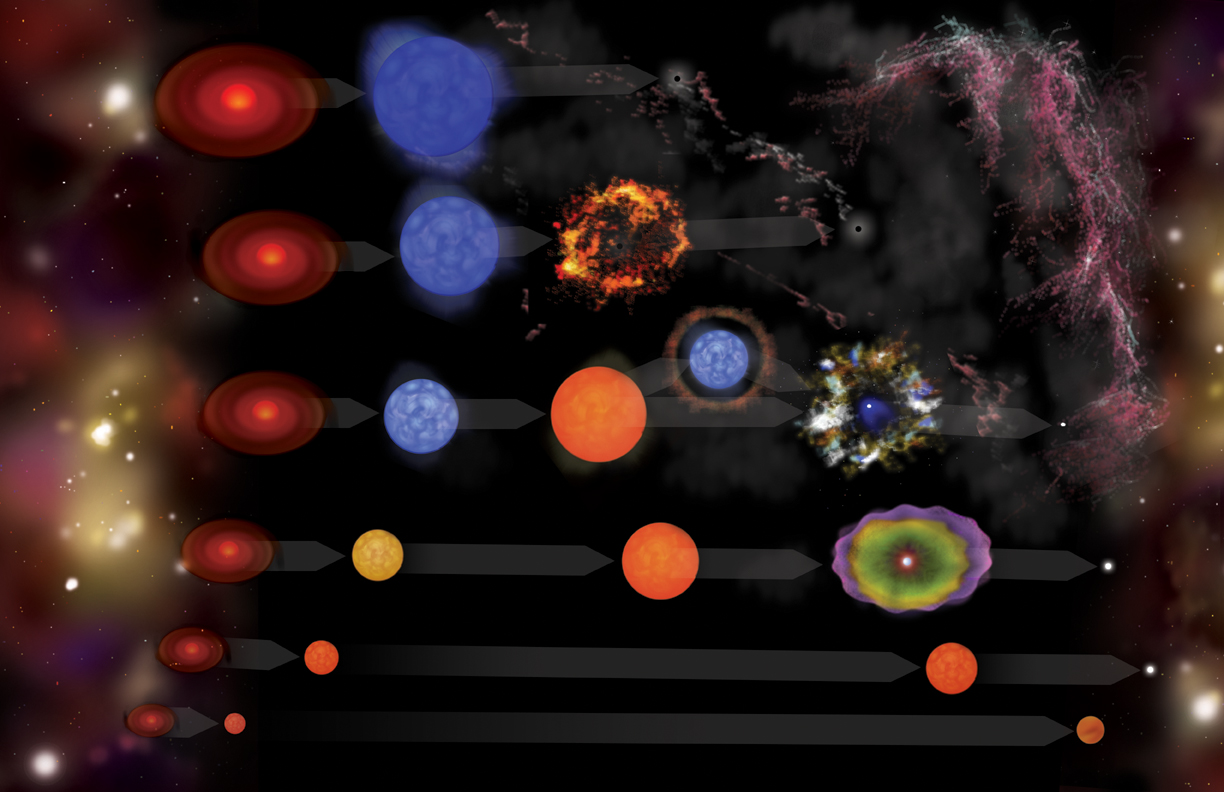 Unlabeled
CXC Home | Search | Help | Image Use Policy | Latest Images | Privacy | Accessibility | Glossary | Q&A
 Black Hole
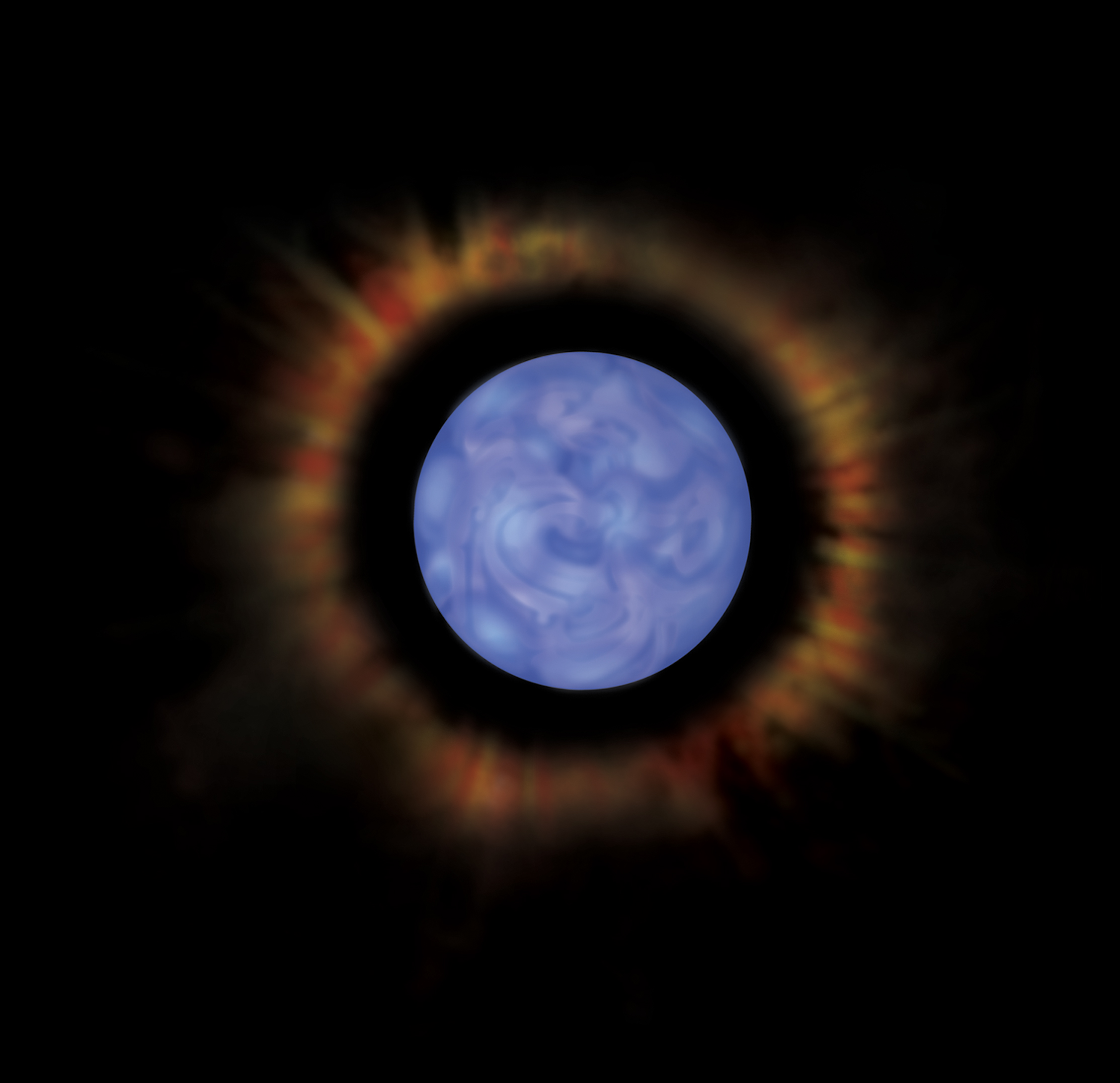
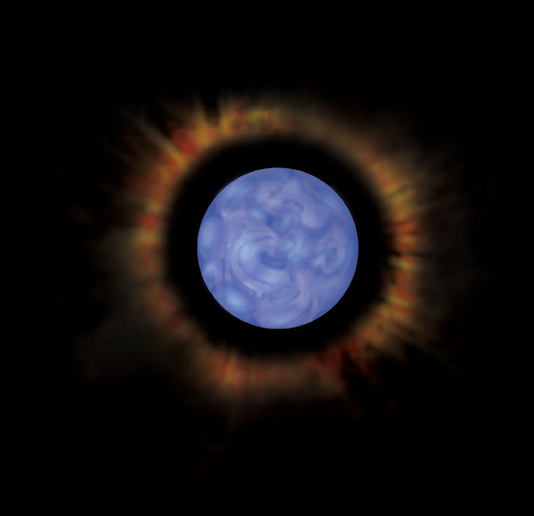 Blue Giant
 Brown Dwarf
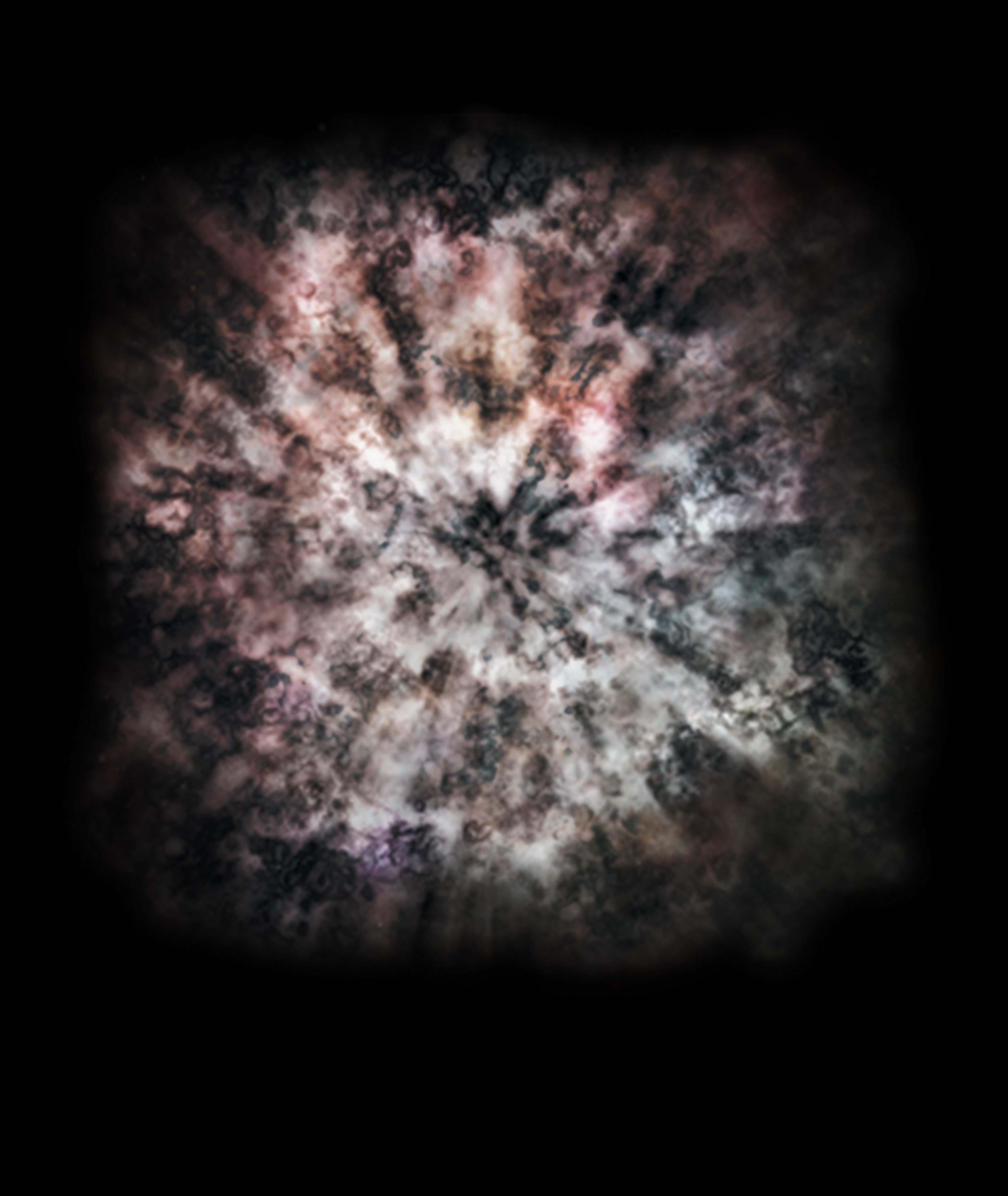
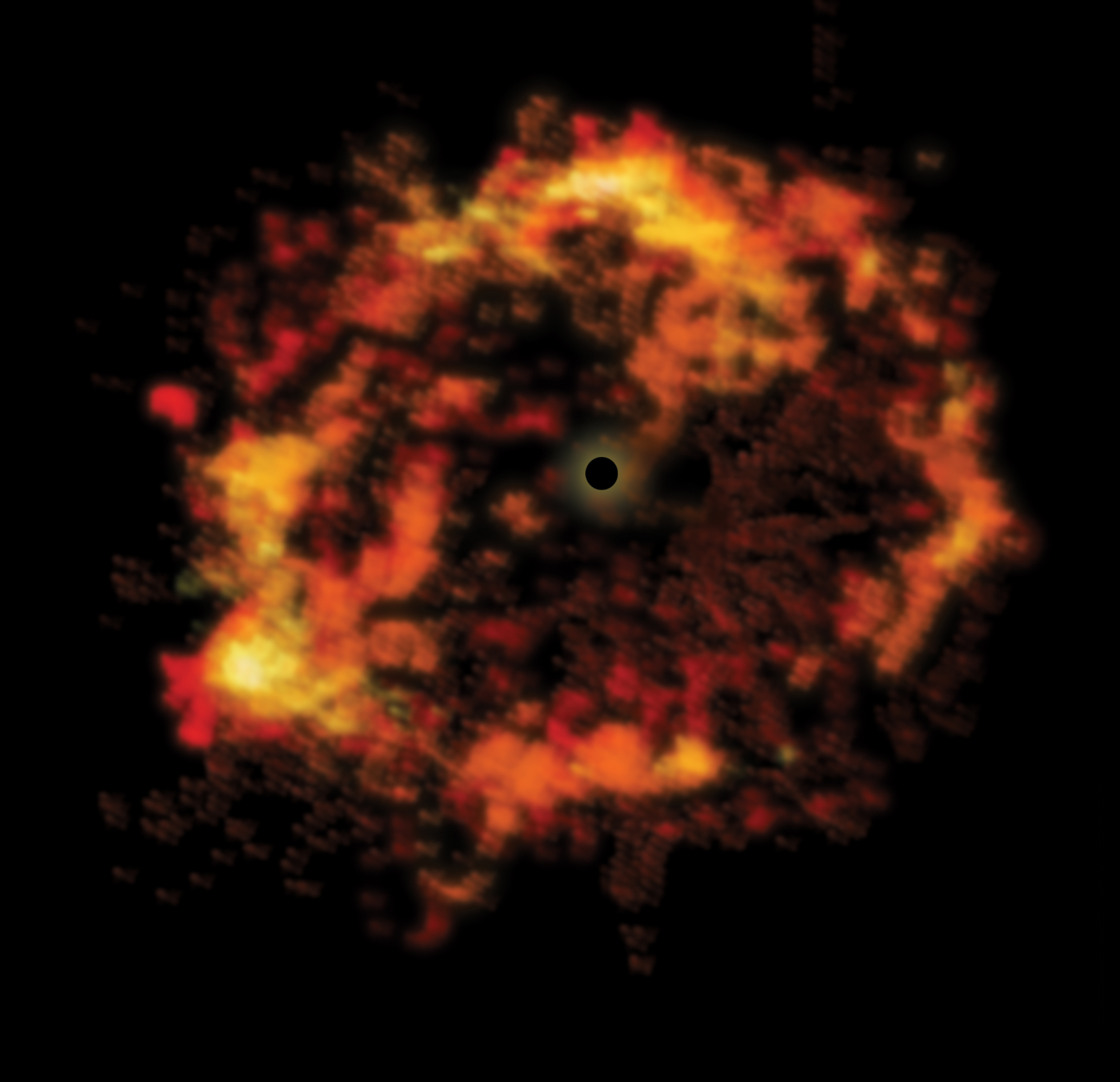
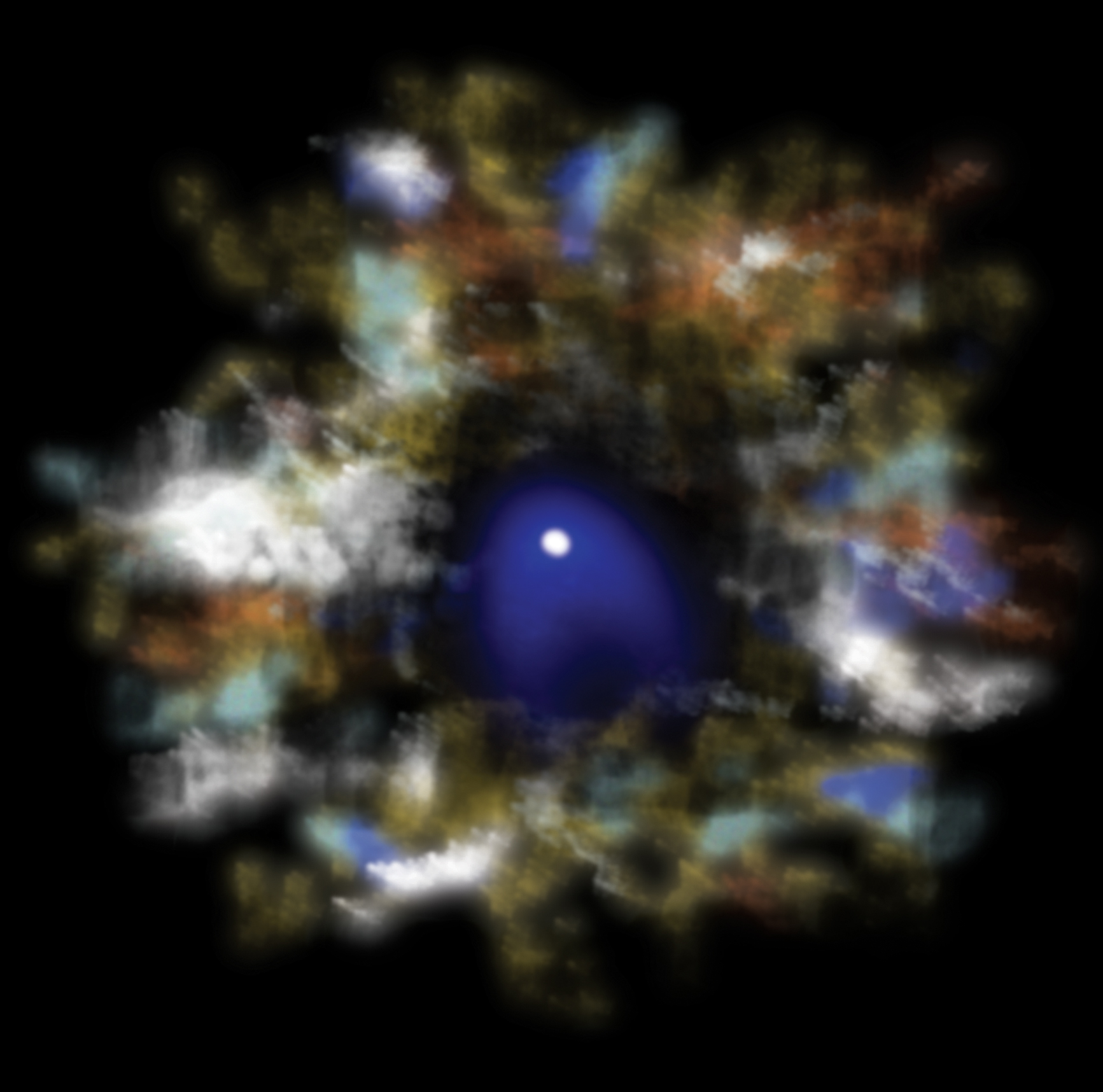
 Supernova
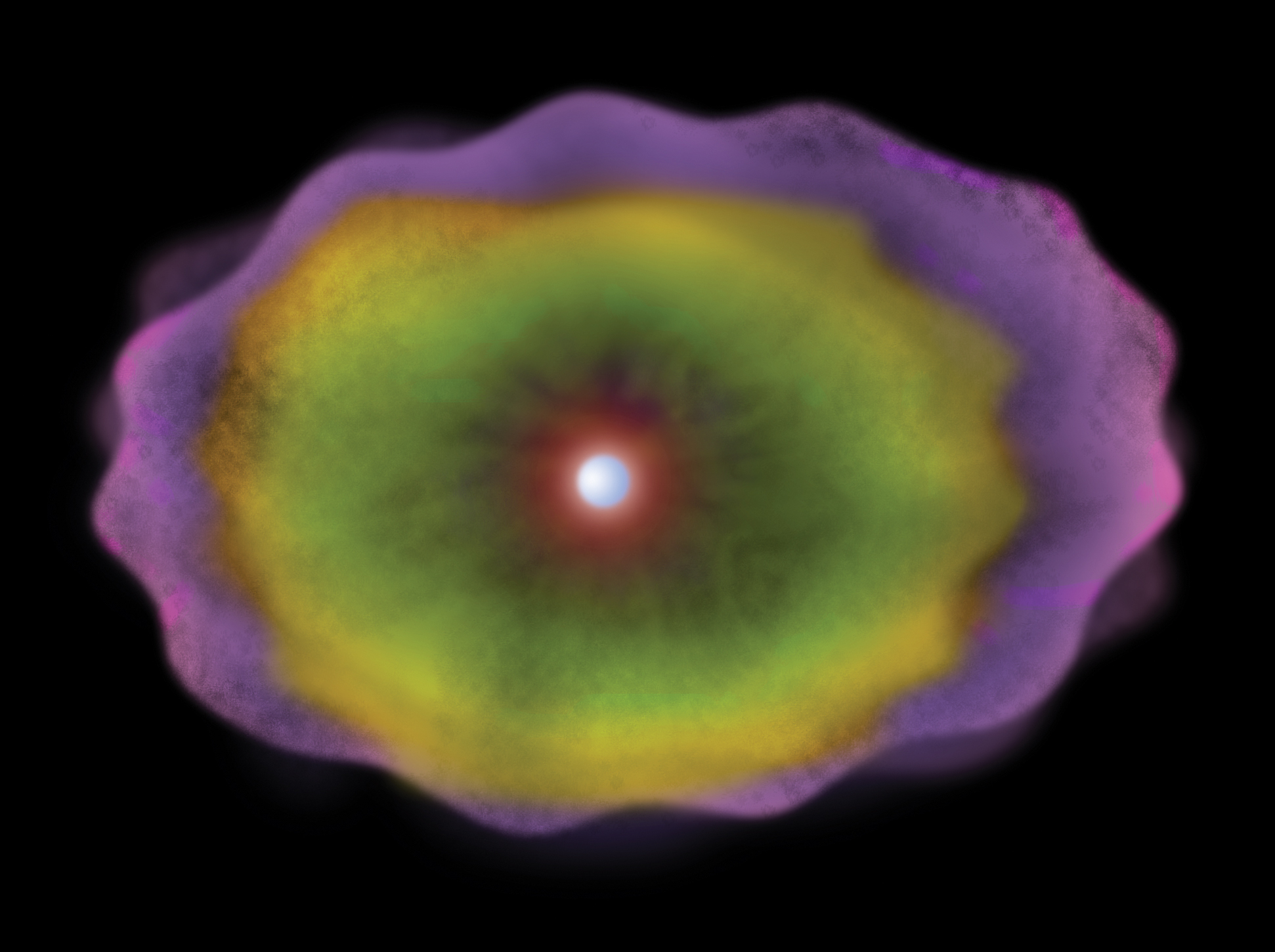
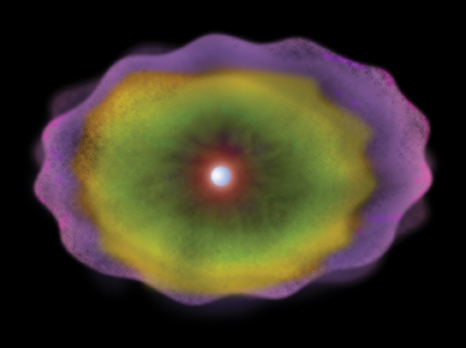 Planetary Nebula
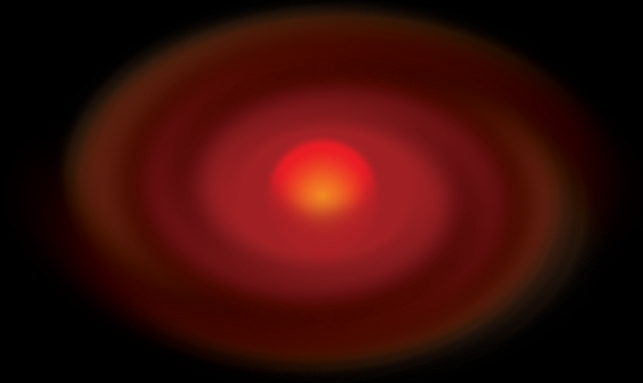 Protostar
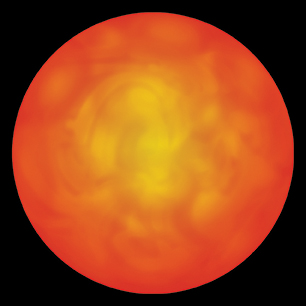 Red Giant
 White Dwarf
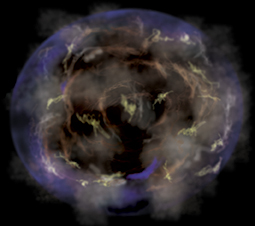 Type 1A Supernova
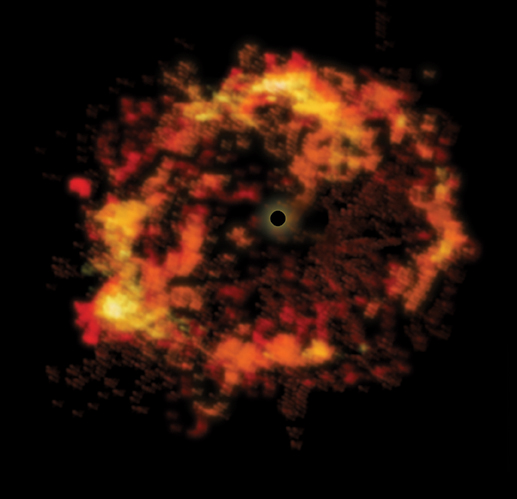 Type II Supernova
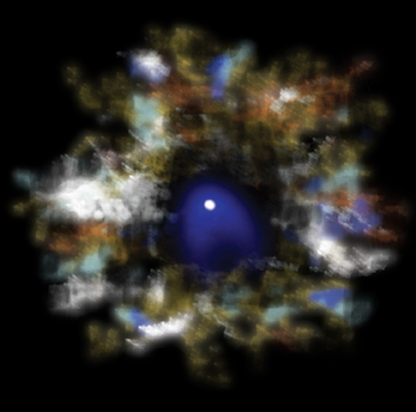 Type II Supernova
 Blue Supergiant
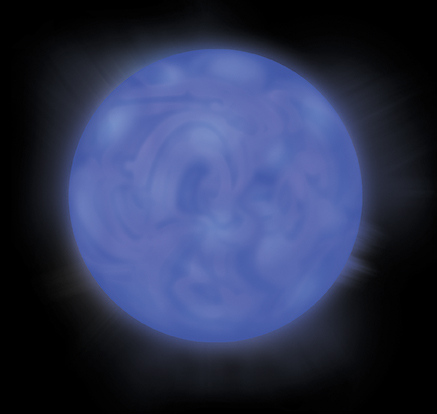 Blue Supergiant
 Blue Supergiant
 Sun-like Star
 Red Dwarf
 Brown Dwarf
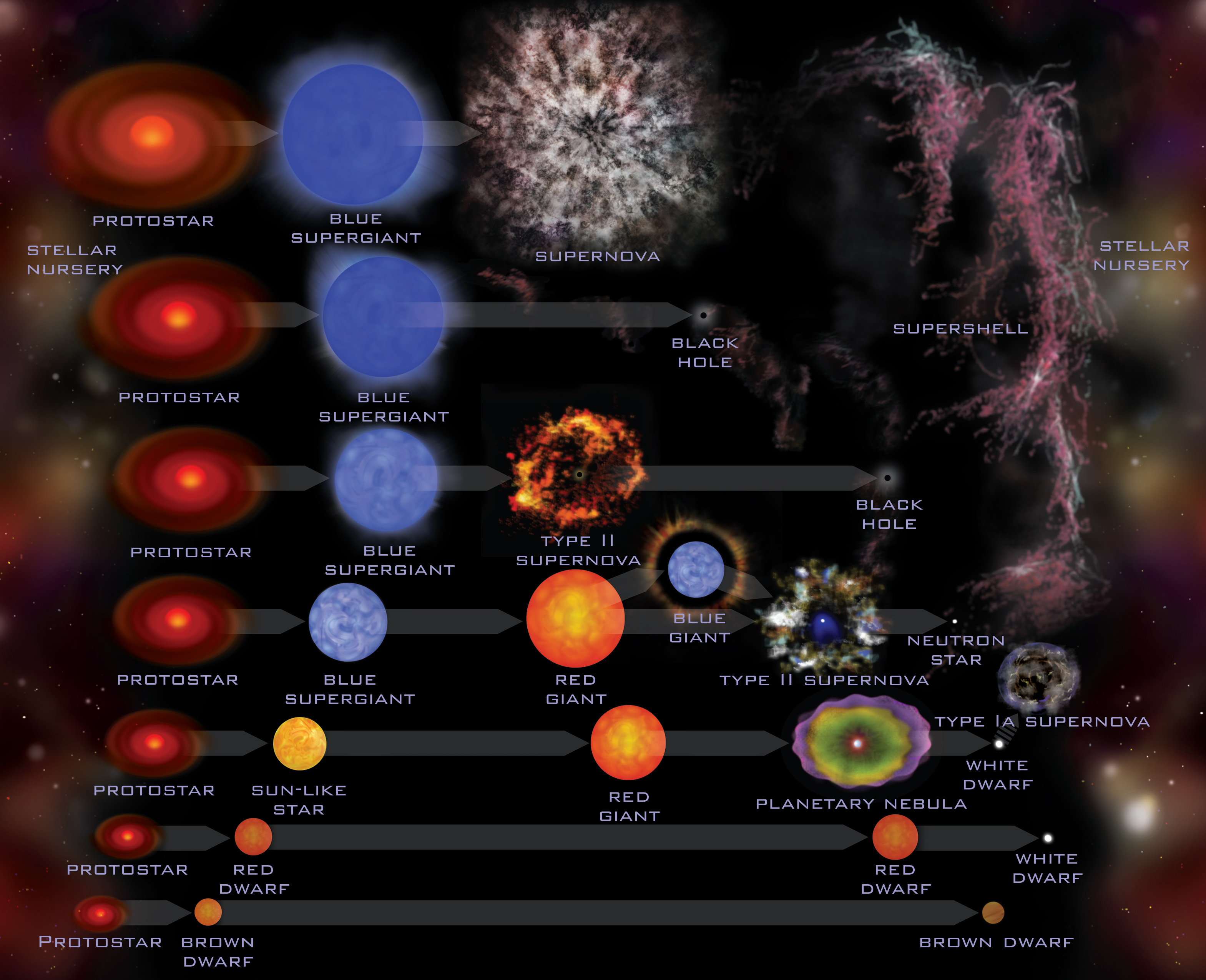
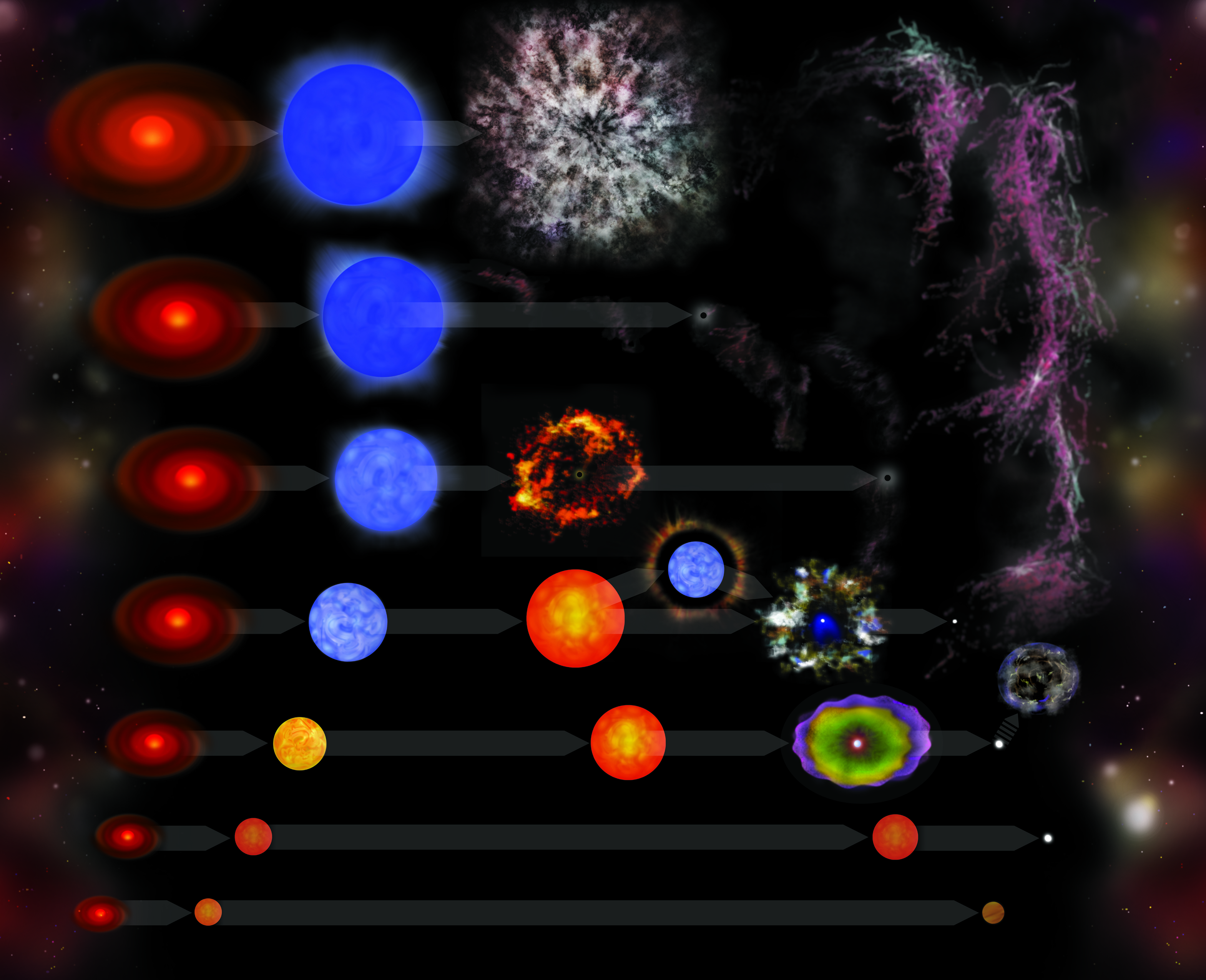
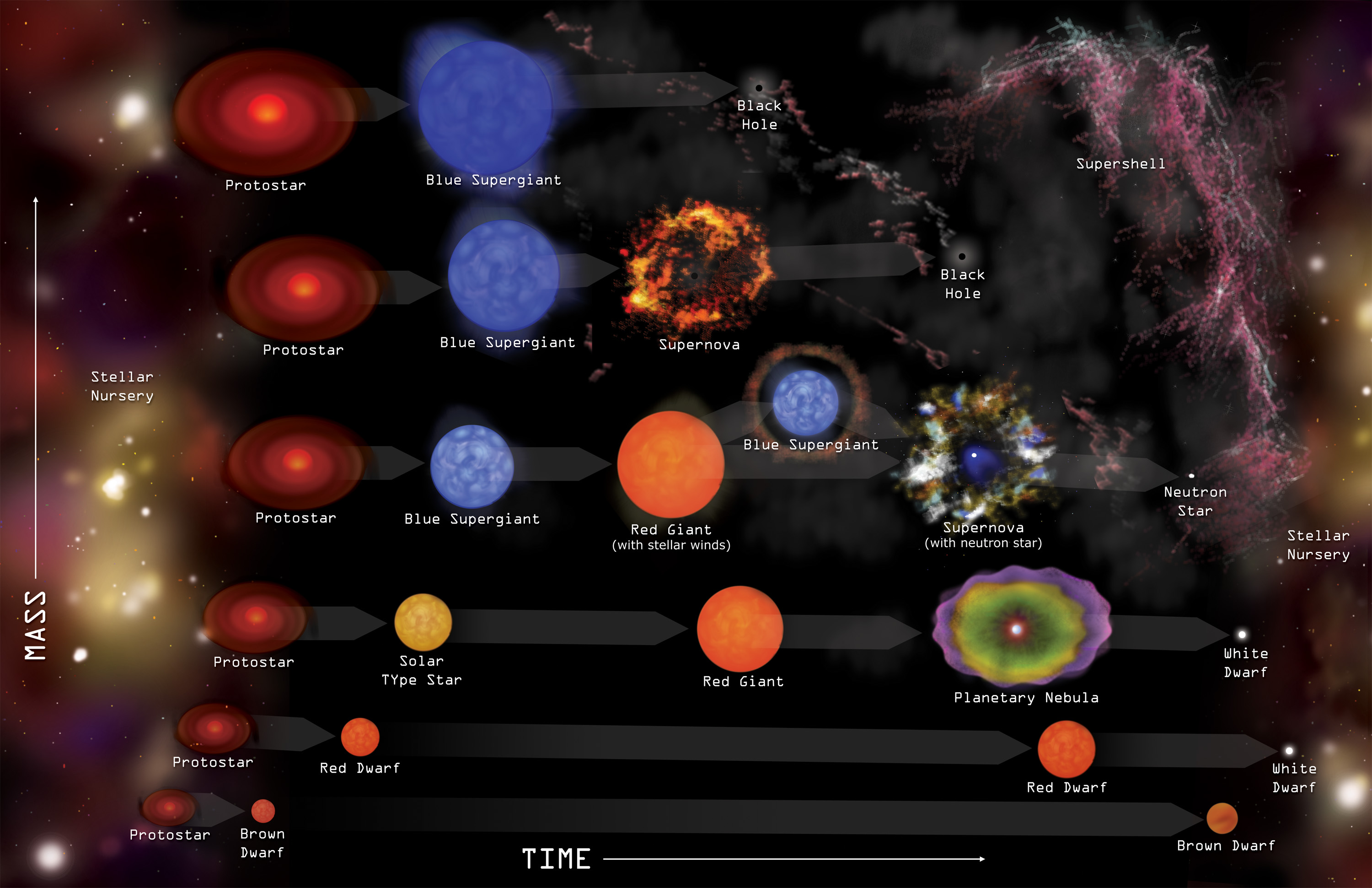
1. Stellar Evolution with Type 1a Supernova Remnant
This graphic gives a summary of our best current understanding of the evolution of stars, showing their birth, middle age and eventual demise. The lowest mass stars are shown at the bottom and the highest mass stars at the top. The very top line is a relatively recent addition compelled by the detection of SN 2006gy, that describes the evolution of the most massive stars in the universe. Observational evidence for the special type of explosion shown here - which is incredibly bright and obliterates the star rather than producing a black hole - was lacking until SN 2006gy was found. (illustration: NASA/CXC/M.Weiss)
Field Guide: Stellar Evolution
This graphic gives a summary of our best current understanding of the evolution of stars, showing their birth, middle age and eventual demise. The lowest mass stars are shown at the bottom and the highest mass stars at the top. The very top line is a relatively recent addition compelled by the detection of SN 2006gy, that describes the evolution of the most massive stars in the universe. Observational evidence for the special type of explosion shown here - which is incredibly bright and obliterates the star rather than producing a black hole - was lacking until SN 2006gy was found. (illustration: NASA/CXC/M.Weiss)
Field Guide: Stellar Evolution
Download:
2. Stellar Evolution
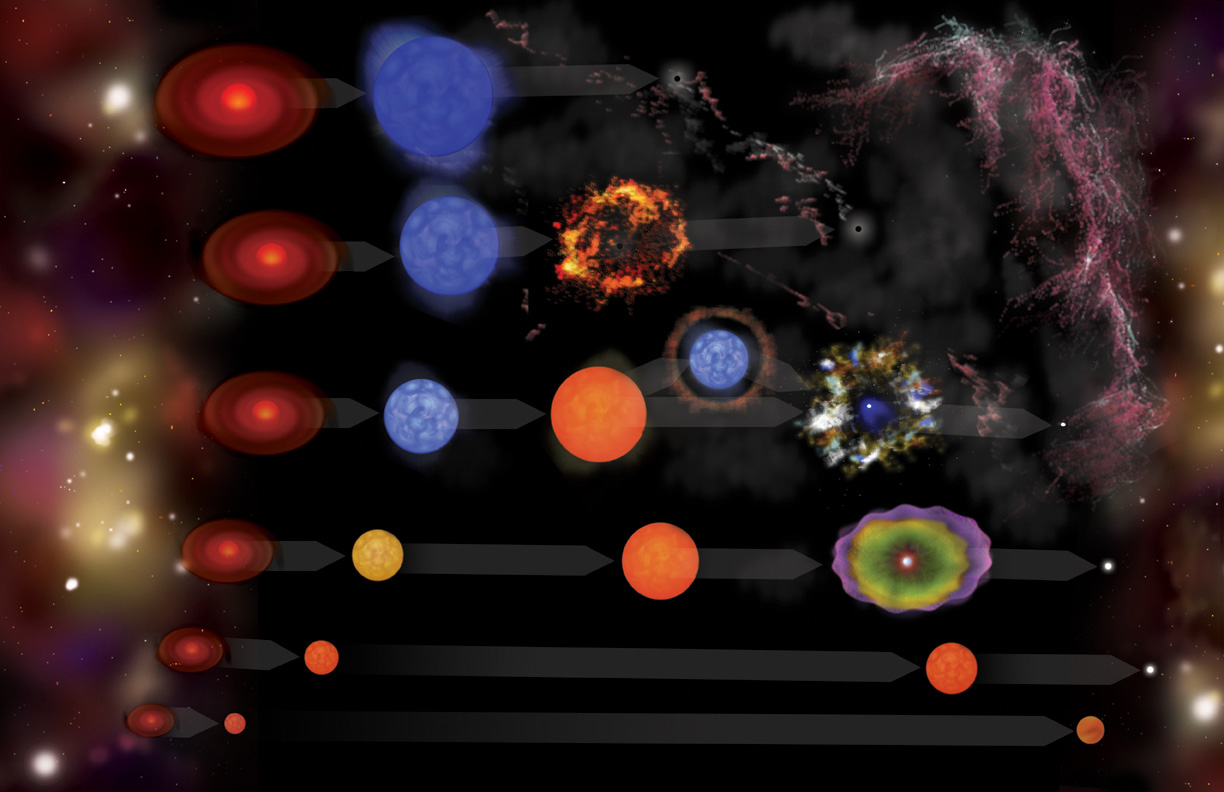
This tableau illustrates the ongoing drama of stellar evolution, and how the rate of evolution and the ultimate fate of a star depends on its weight, or mass. (Illustration: NASA/CXC/M.Weiss)
Field Guide: Stellar Evolution
This tableau illustrates the ongoing drama of stellar evolution, and how the rate of evolution and the ultimate fate of a star depends on its weight, or mass. (Illustration: NASA/CXC/M.Weiss)
Field Guide: Stellar Evolution
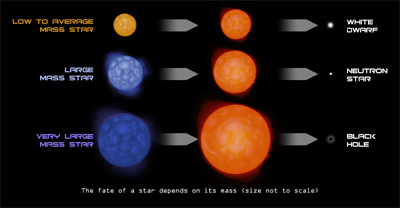
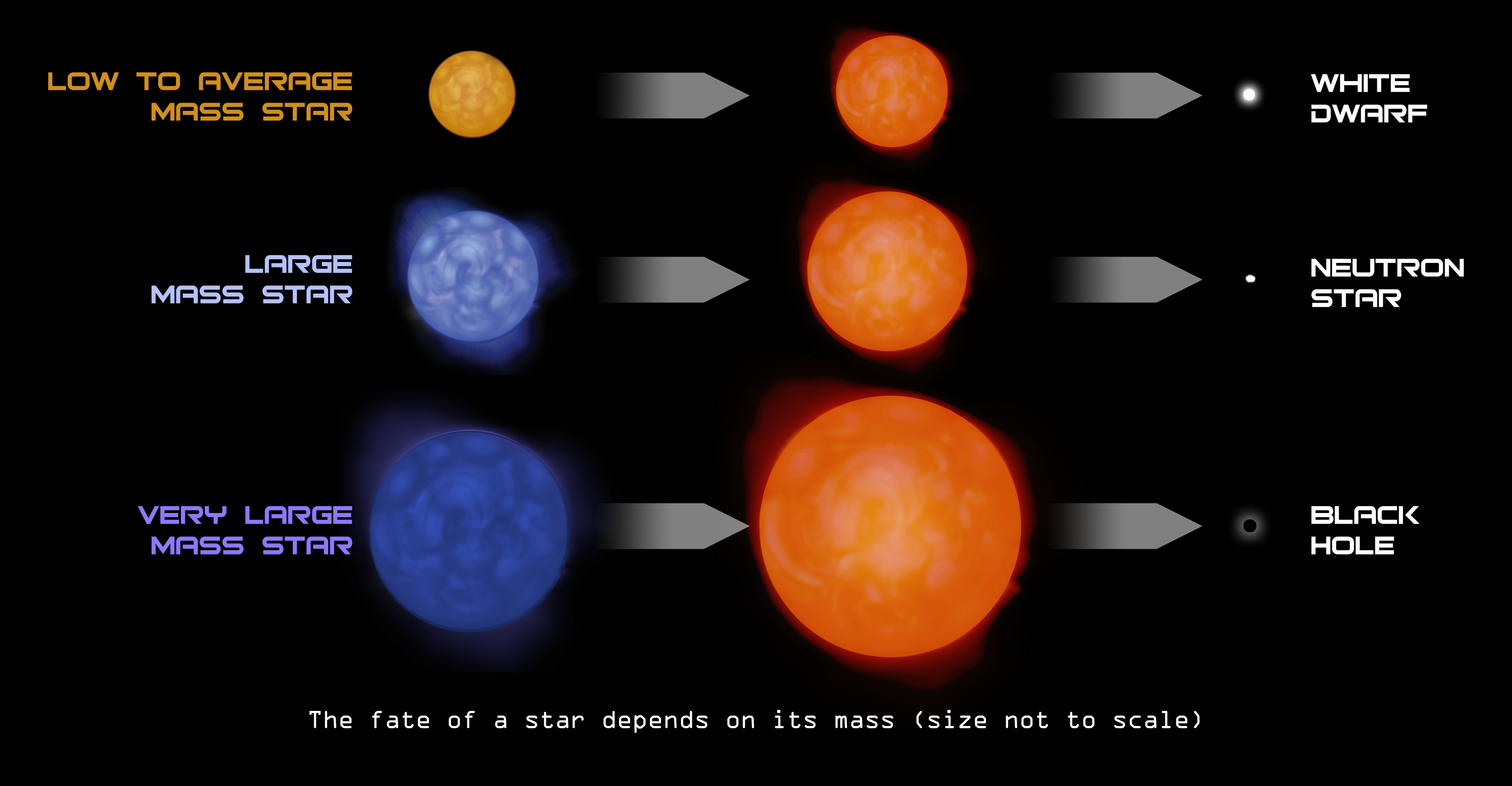
3. Stellar Fate
The fate of stars depends upon their mass; this illustration depicts how a small, large or extra-large star may develop into white dwarf, neutron star or black hole. (Illustration: NASA/CXC/M.Weiss)
Field Guide: Stellar Evolution
The fate of stars depends upon their mass; this illustration depicts how a small, large or extra-large star may develop into white dwarf, neutron star or black hole. (Illustration: NASA/CXC/M.Weiss)
Field Guide: Stellar Evolution
Download:













Revised: August 23, 2017