NGC 4736 Sonification
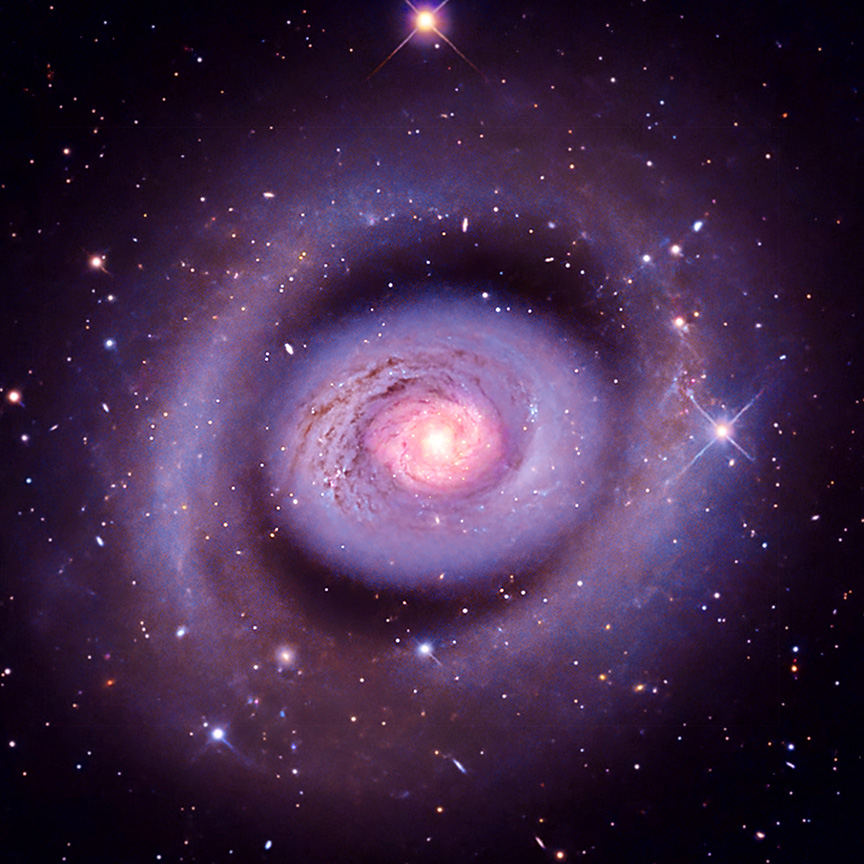
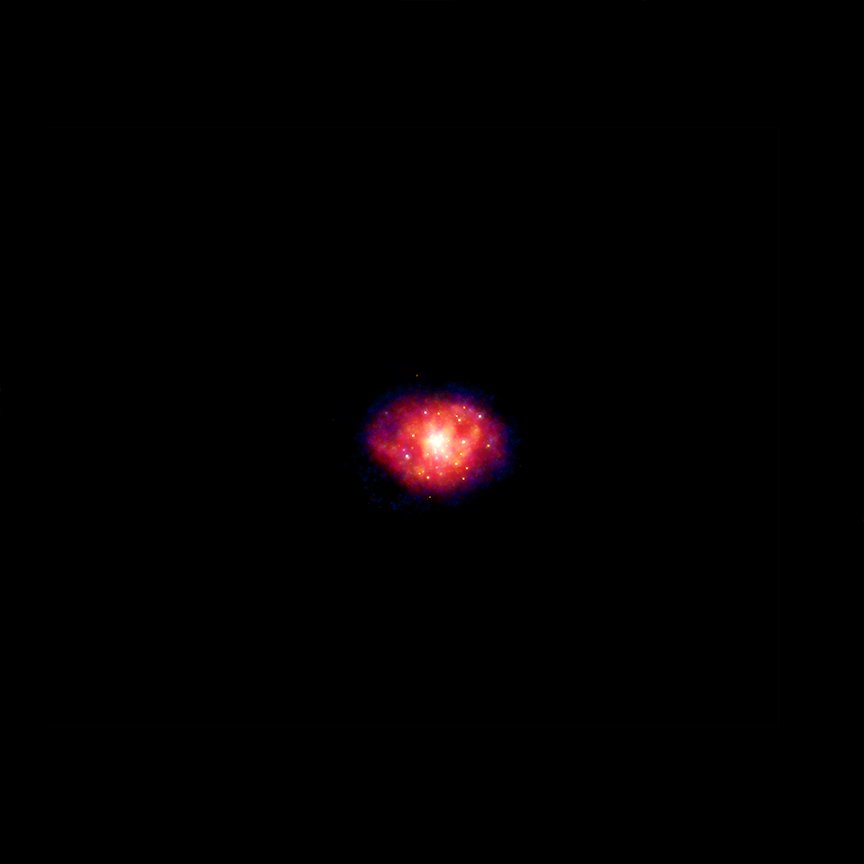
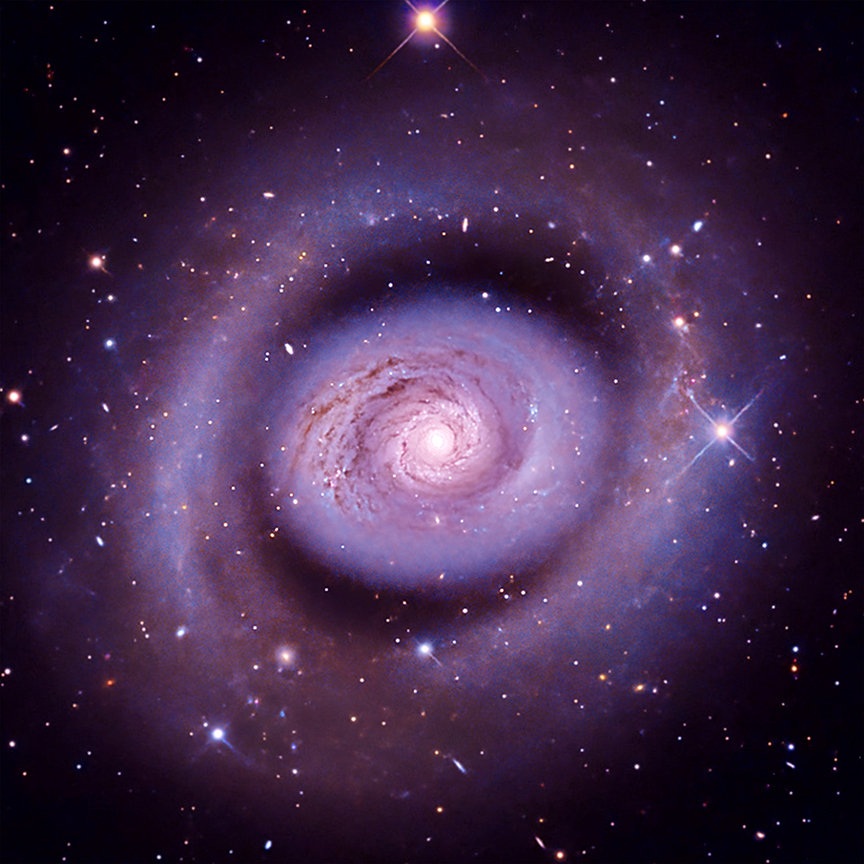
Also known as Messier 94, NGC 4736 is a spiral galaxy with a bright inner ring around it where new stars are forming, perhaps fueled by gas driven in from its unique bar-like oval structure. NGC 4736 also has a remarkable outer ring of spiral arms. In the sonification, the radar-like scan moves clockwise, and the brightness of the sources dictates the volume of the sounds. X-rays from Chandra have been turned into wind-like sounds that follow the shape of the X-ray emission. Neutron stars and stellar-mass black holes (known as compact sources) detected by Chandra are mapped to pitched tones on a glass marimba. Optical data from ground-based observations are mapped to musically pitched tones, creating a low drone while stars and background galaxies are heard as a soft piano.
Access more information & file formats on this sonification
<< Back to Explore Sounds
The Chandra sonifications were led by the Chandra X-ray Center (CXC), with input from NASA's Universe of Learning. The sustained collaboration was driven by visualization scientist Dr. Kimberly Arcand (CXC), astrophysicist Dr. Matt Russo and musician Andrew Santaguida (both of the SYSTEM Sounds project). For other sonifications, please see their linked pages.