





CXC Home | Search | Help | Image Use Policy | Latest Images | Privacy | Accessibility | Glossary | Q&A
1
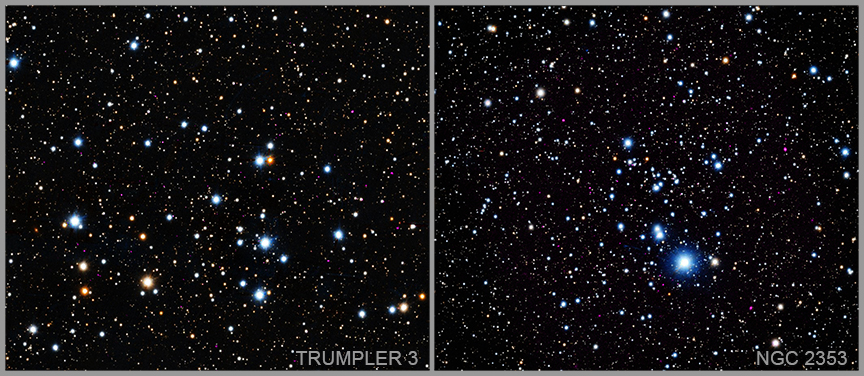
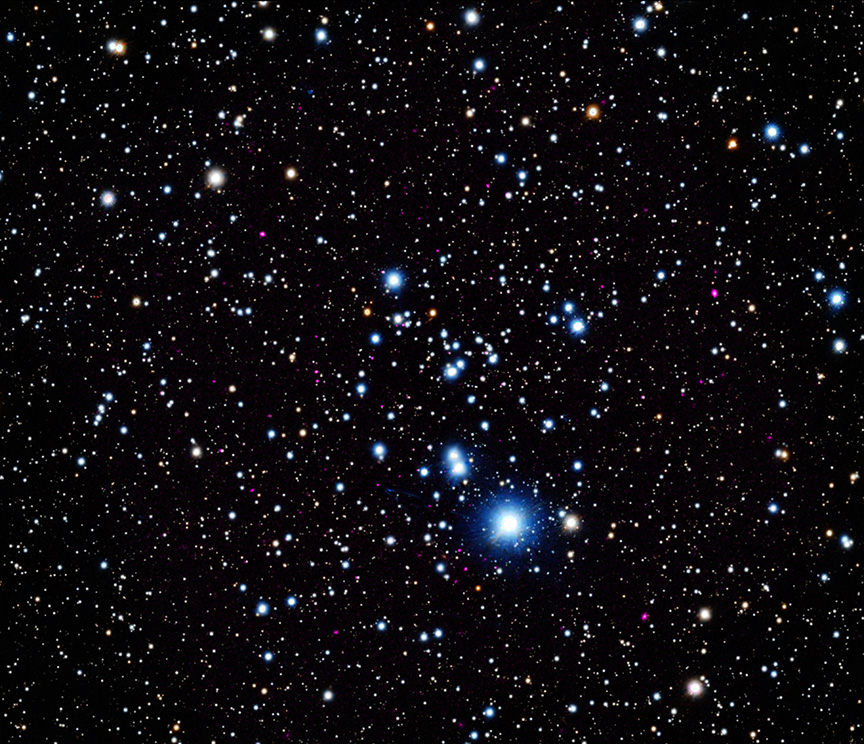
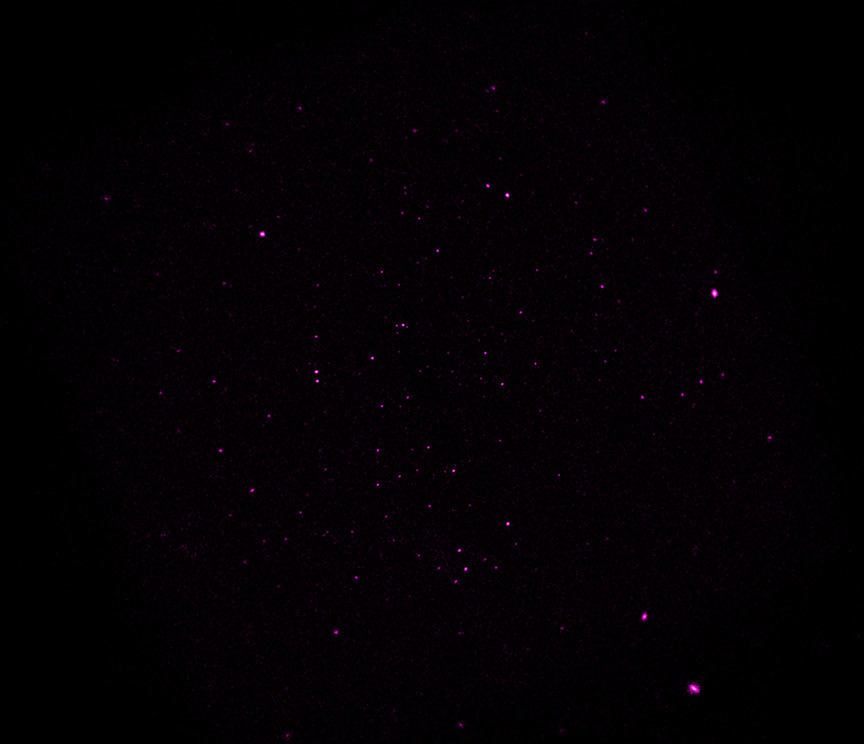
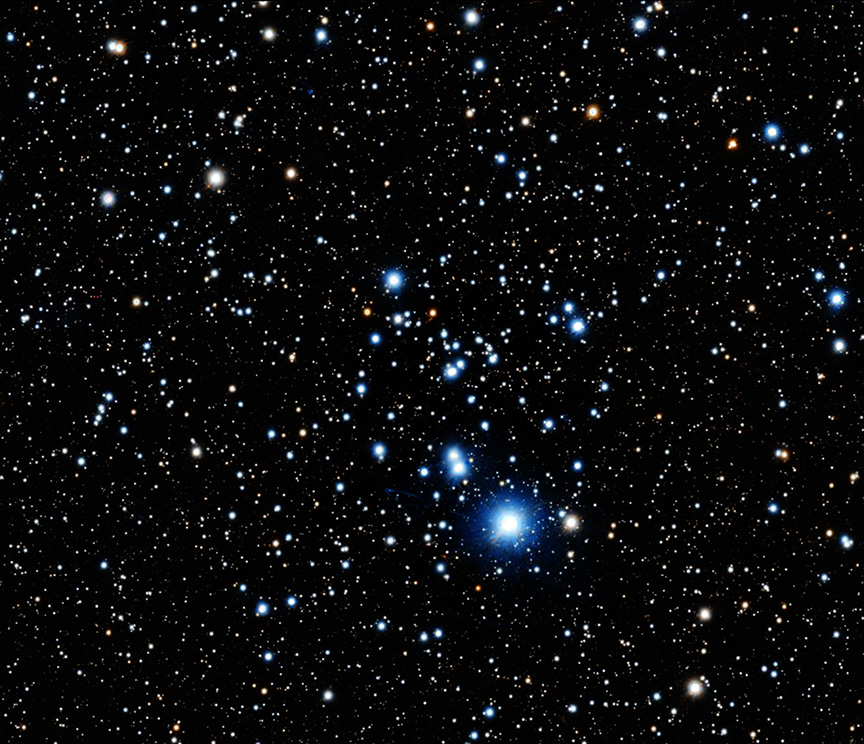
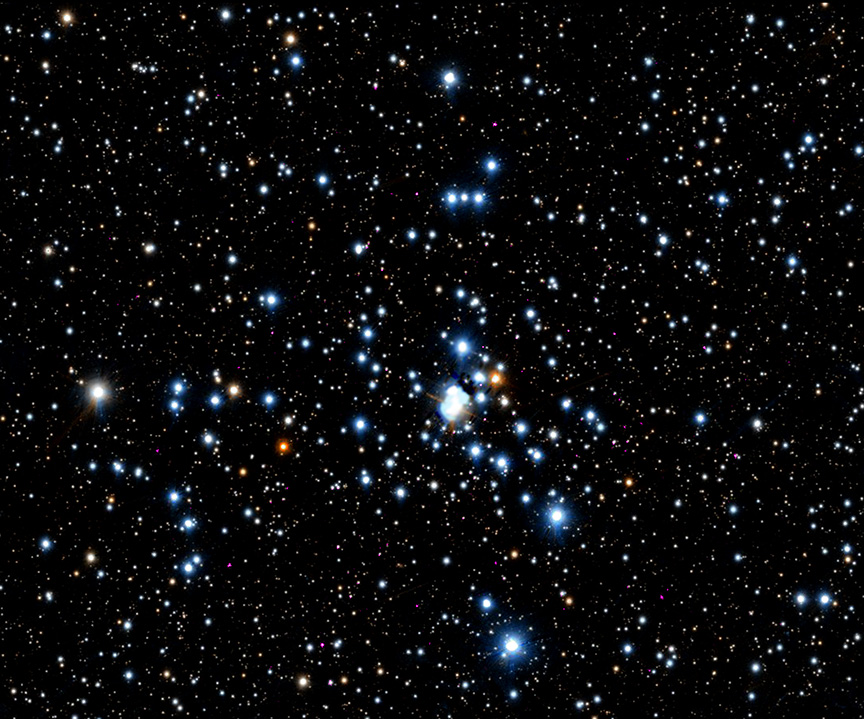
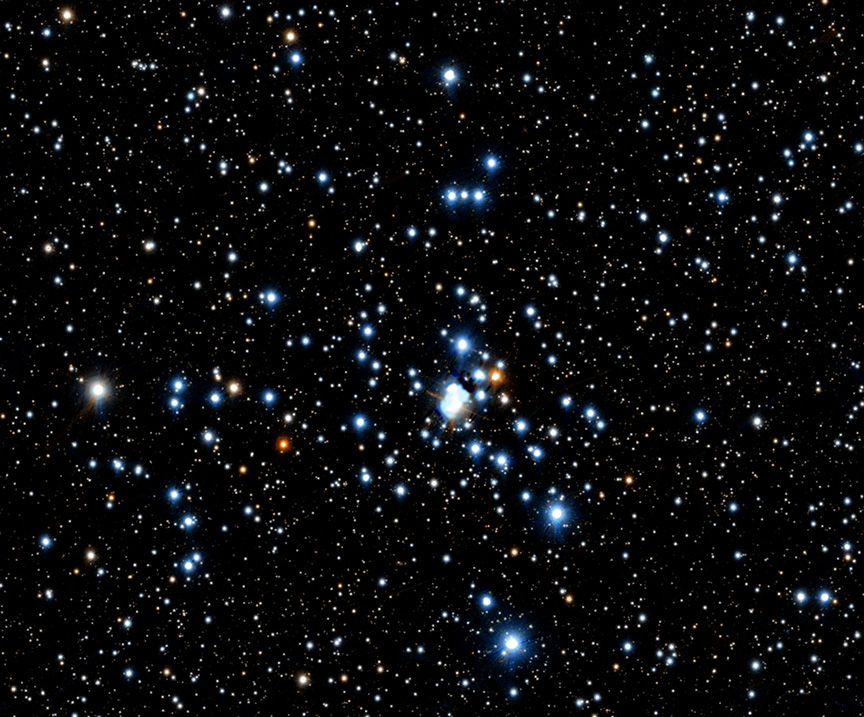
X-ray, Optical, and Infrared Images of Trumpler 3, NGC 2353, and NGC 2301Credit: X-ray: NASA/CXC/Penn State Univ/K. Getman; Optical/IR: PanSTARRS; Image Processing: NASA/CXC/SAO/N. Wolk
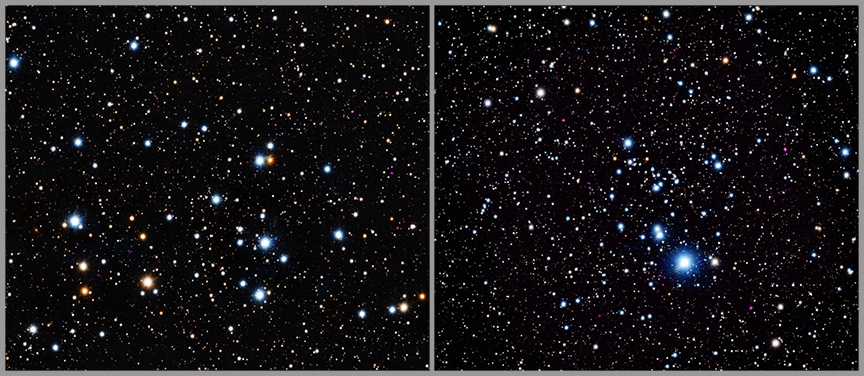
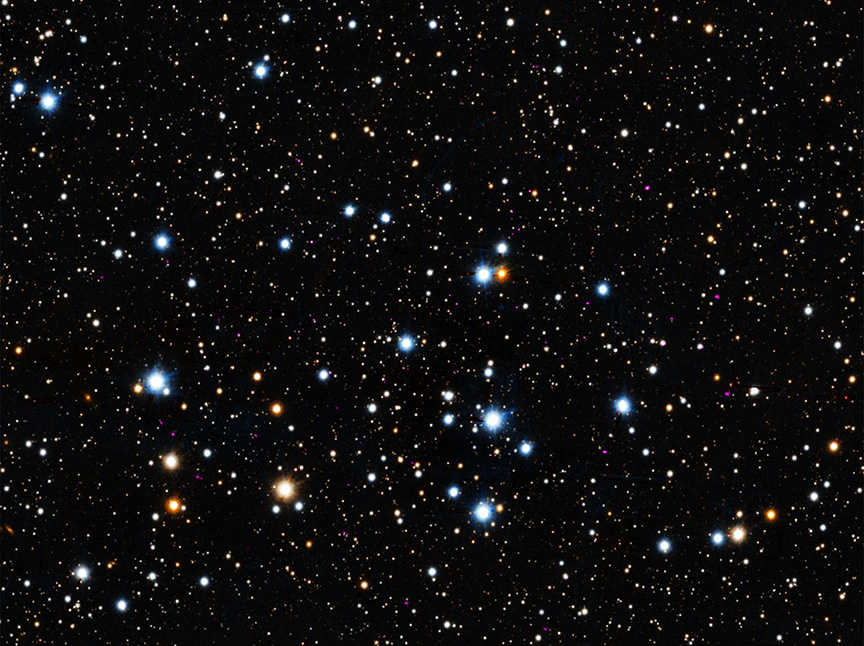
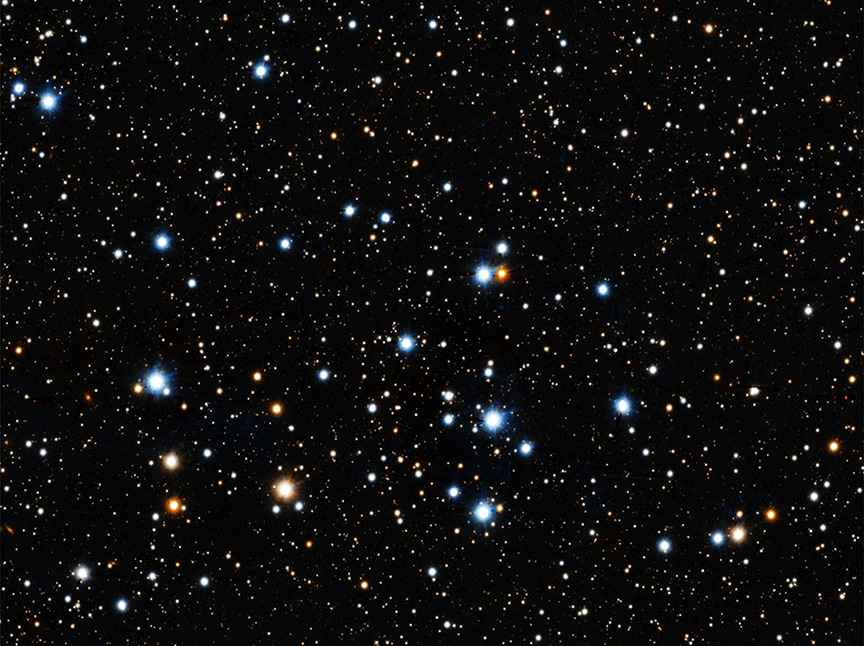
The images of Trumpler 3, NGC 2353 & NGC 2301 represent a Chandra study that shows how young Sun-like stars are dimmer in X-rays than previously thought. Trumpler 3, NGC 2353 and NGC 2301 are open clusters that contains hundreds of young stars that are gravitationally bound together because they formed from the same gas cloud. Many of these stars have masses that are similar to our Sun but are much younger. In this composite image of the three clusters, X-rays from Chandra (purple) have been combined with an optical image from the PanSTARRS telescope in Hawaii (red, green, and blue). This result has implications for the prospects of life developing and surviving on planets in orbit around these stars.
2
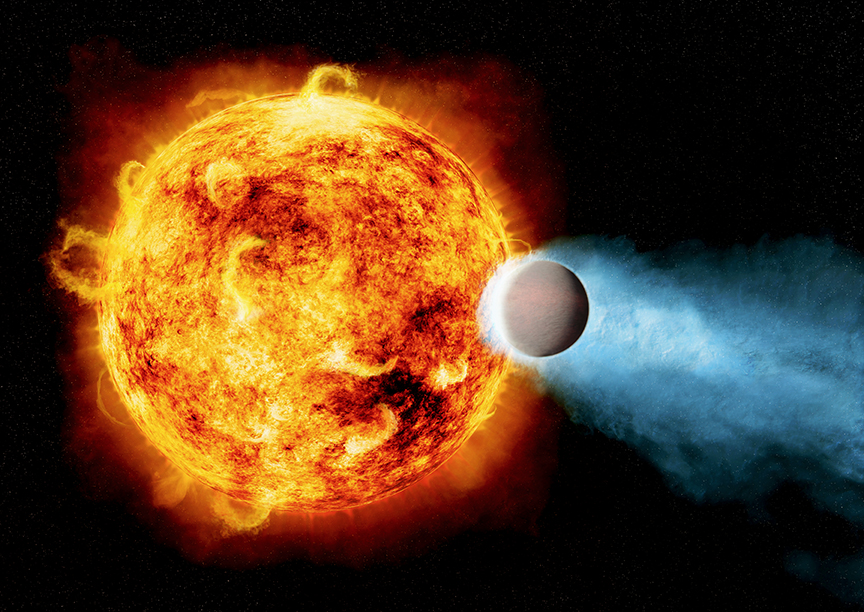
Illustration of X-rays and Other Radiation Eroding the Atmosphere of an Orbiting Planet.Credit: NASA/SAO/CXC/M. Weiss
3
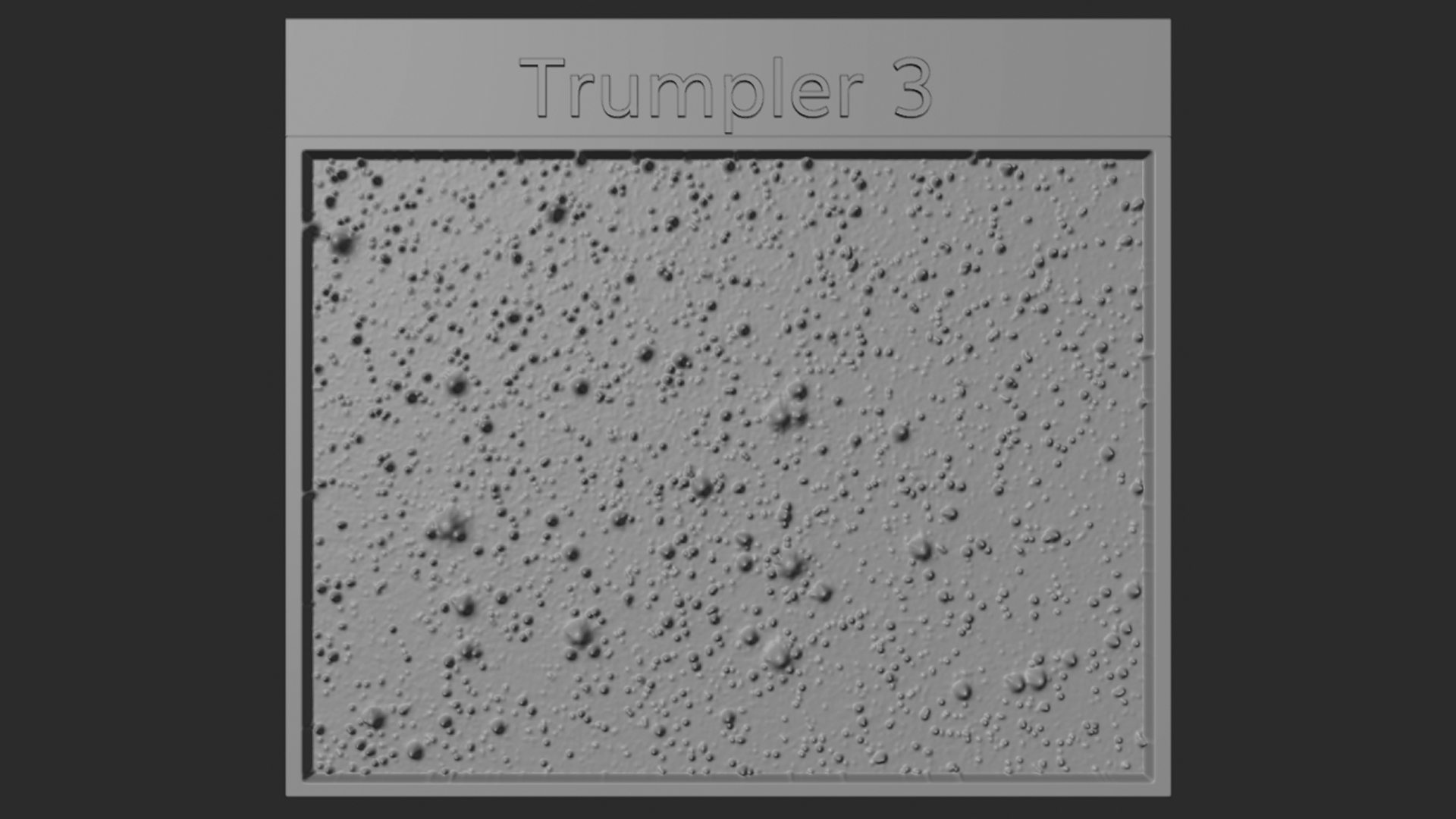
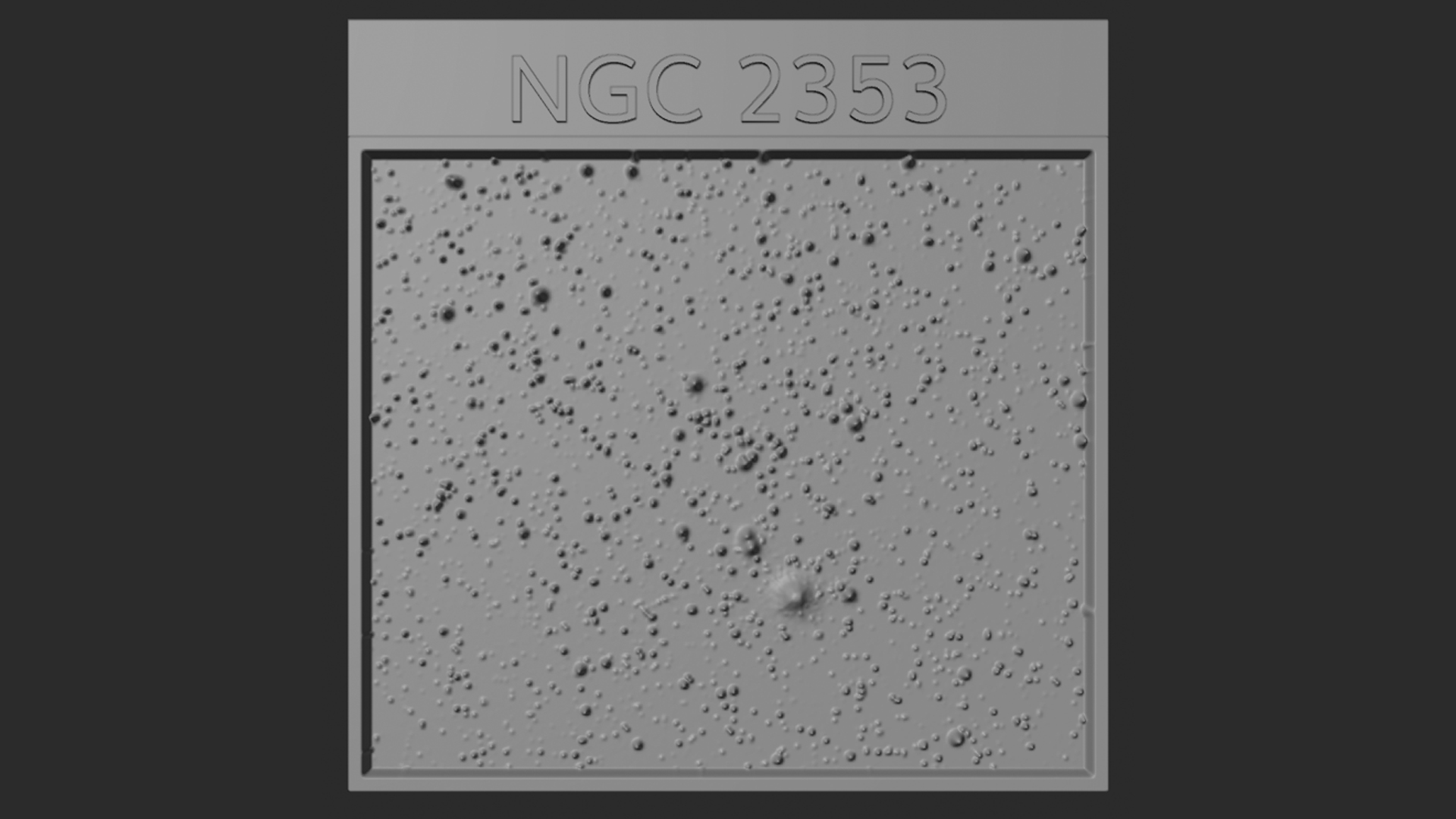
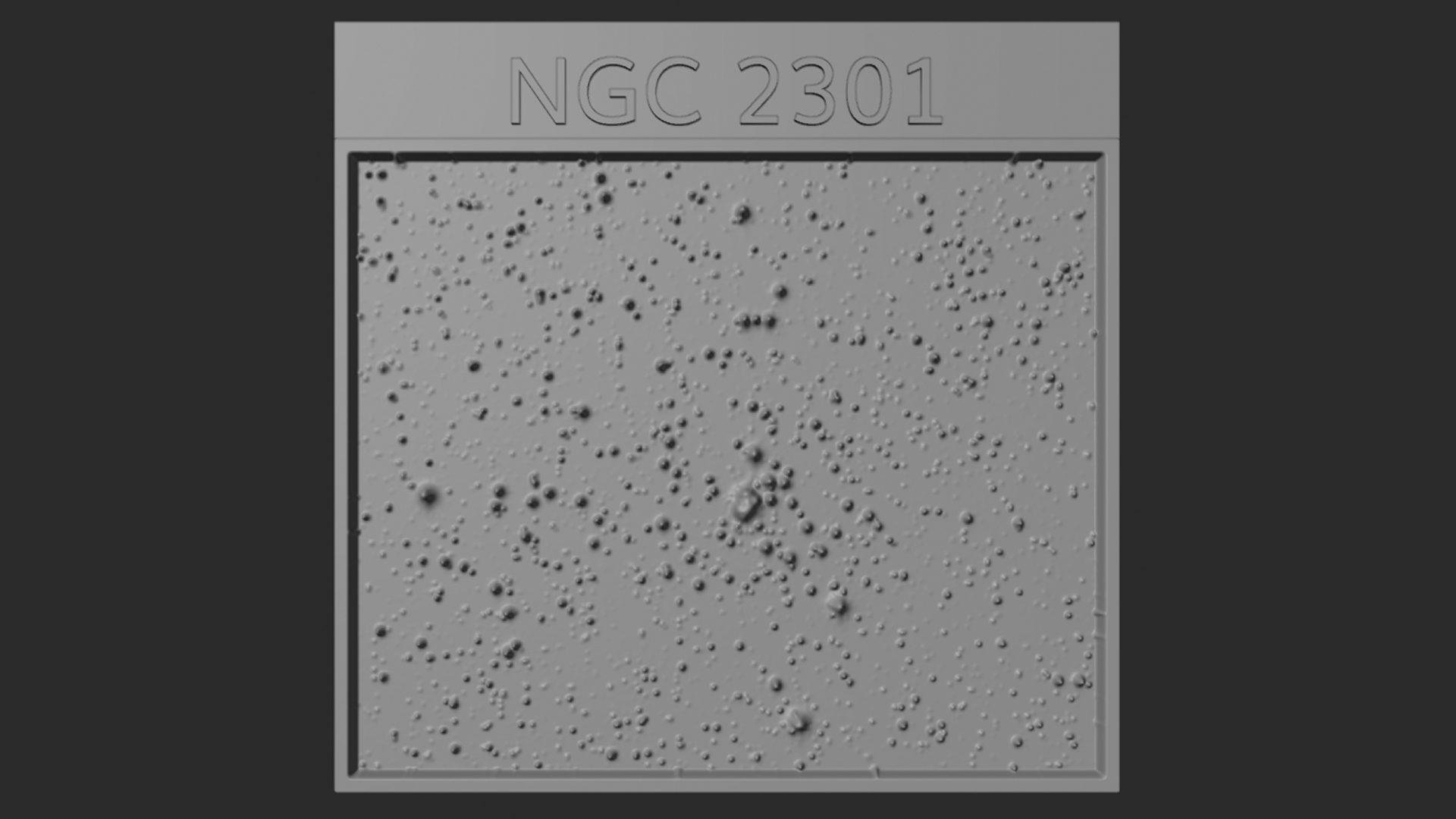
Tactile ProductsThis set of 3 tactile plates are physical relief maps based on the intensity of X-ray and optical data, showing three different star clusters packed with countless specks of light.
The three clusters depicted in the plates are Trumpler 3, NGC 2353, and NGC 2301. In each plate, the blackness of space is blanketed in dots. Some of the dots are in the foreground, while others are background stars. Many in the middle-ground are clustered Sun-like stars observed in a study by the Chandra X-ray Observatory. Some of the stars in the cluster and foreground appear with halos and occasional diffraction spikes, while the background stars are generally smaller and less pronounced.
Results from the study reveal that many young Sun-like stars are dimmer in X-rays than previously thought. X-rays and other high energy radiation from a young Sun-like star can erode some of the atmosphere of an orbiting planet. Sun-like stars that emit lower levels of X-rays will cause less atmospheric erosion on orbiting planets. This impacts the prospects of life developing and surviving on planets orbiting these stars.
3D Printable Files: Trumpler 3
(3D Print Credit: NASA/CXC/A. Jubett, using software by Tactile Universe/N. Bonne & C. Krawczyk & Blender)
(3D Print Credit: NASA/CXC/A. Jubett, using software by Tactile Universe/N. Bonne & C. Krawczyk & Blender)
3D Printable Files: NGC 2353
(3D Print Credit: NASA/CXC/A. Jubett, using software by Tactile Universe/N. Bonne & C. Krawczyk & Blender)
(3D Print Credit: NASA/CXC/A. Jubett, using software by Tactile Universe/N. Bonne & C. Krawczyk & Blender)
3D Printable Files: NGC 2301
(3D Print Credit: NASA/CXC/A. Jubett, using software by Tactile Universe/N. Bonne & C. Krawczyk & Blender)
(3D Print Credit: NASA/CXC/A. Jubett, using software by Tactile Universe/N. Bonne & C. Krawczyk & Blender)
Return to: NASA Finds Young Stars Dim in X-rays Surprisingly Quickly (March 24, 2026)


Revised: April 09, 2026